
200,000 people quietly installed Meta’s Muse agent in Chrome before Meta even announced it
Meta's Alexandr Wang announced a Muse Chrome extension that runs the agent from a sidebar using your logged-in sites. The store listing shows 200,000 users.
Apps, agents, APIs, and developer tools, including who can use them and what the vendor says they do. Each story links the vendor’s announcement here.
Meta's Alexandr Wang announced a Muse Chrome extension that runs the agent from a sidebar using your logged-in sites. The store listing shows 200,000 users.

OpenAI released GPT-Live-1.1 in its API. The full-duplex voice model has steadier accents across languages and a new standby rate of $0.02 a minute when a WebRTC session is paused, against $0.05 a minute when active.

Genie 4 is now available to developers through the Gemini API and Google AI Studio, a day after launch. It generates explorable 720p worlds at 24fps with native audio from a text prompt, an image or both.

Perplexity says Brain, the personalisation system in its Computer agent, now creates and updates reusable skills from your past sessions. It reports 80,000+ personal skills written for 20,000+ users since August.

Chat-model requests made with a Hugging Face token now go through OpenRouter, which picks a provider on price, speed and reliability and retries on failure. Own provider keys no longer work for these models.

Apple and OpenEvidence are inviting US iPhone users to a study of up to 200,000 people over more than a year. Answers draw on clinical sources, and Apple says the data will be anonymised and not used to train AI models.

Google has added Wallet to Gemini's Personal Intelligence connections in the US, with optional bank and card links through Plaid. Gemini can chart spending and flag subscriptions but cannot move money.

ChatGPT Wallet, built with American Express, Mastercard and Visa, uses network payment tokens and a security check on every purchase. It starts with US Pro subscribers using dots.

The open source local inference projects shipped 1.0.0 releases on 13 November, removing deprecated public APIs, adding FP8 support and hardening llama-server.

DeepL says Aure, now inside DeepL Voice and its Voice API, adapts translated speech as a speaker's emotion, emphasis and pace change, with no setup needed.

Google's new Gemini Decision 1 model answers yes/no, choice and rubric questions in one pass, at $0.10 per million input tokens and no output charge.

Aravind Srinivas said on 7 November 2026 that automation runs on Perplexity Teammates, the personal work agents launched on 5 November, grew 3.7 times from launch day to day two.

Meta launched spaces in its Muse app on 6 November, letting users describe an idea such as a gift tracker or word game and have Muse build it as a reusable custom experience.

OpenAI appears to be testing a Business Hub tool that would show verified businesses how often ChatGPT mentions them and how many clicks they get. OpenAI has not announced it.

Anthropic says Claude Enterprise now offers generally available inference hooks alongside new security and administration controls for enterprise customers.

Google and Google AI Studio announced Gemini Omni 1.2 Flash on 5 Nov 2026: native clips up to 15 seconds, multi-turn conversational edits, and 720p API pricing at $0.07 per second (30% below Omni 1.1).

OpenAI introduced ChatGPT Images 2.6 with native GIF creation and reference images, plus GPT-Image-2.6 Flare and Sunburst models it says are about 50% faster in the API.

New enterprise reports aim to help administrators assess AI use, cost and efficiency.

OpenAI's Tibo Sottiaux says dots, ChatGPT's always-on agents, will run on more models, including GPT-6.1 Terra. No date, price or new plan was given.
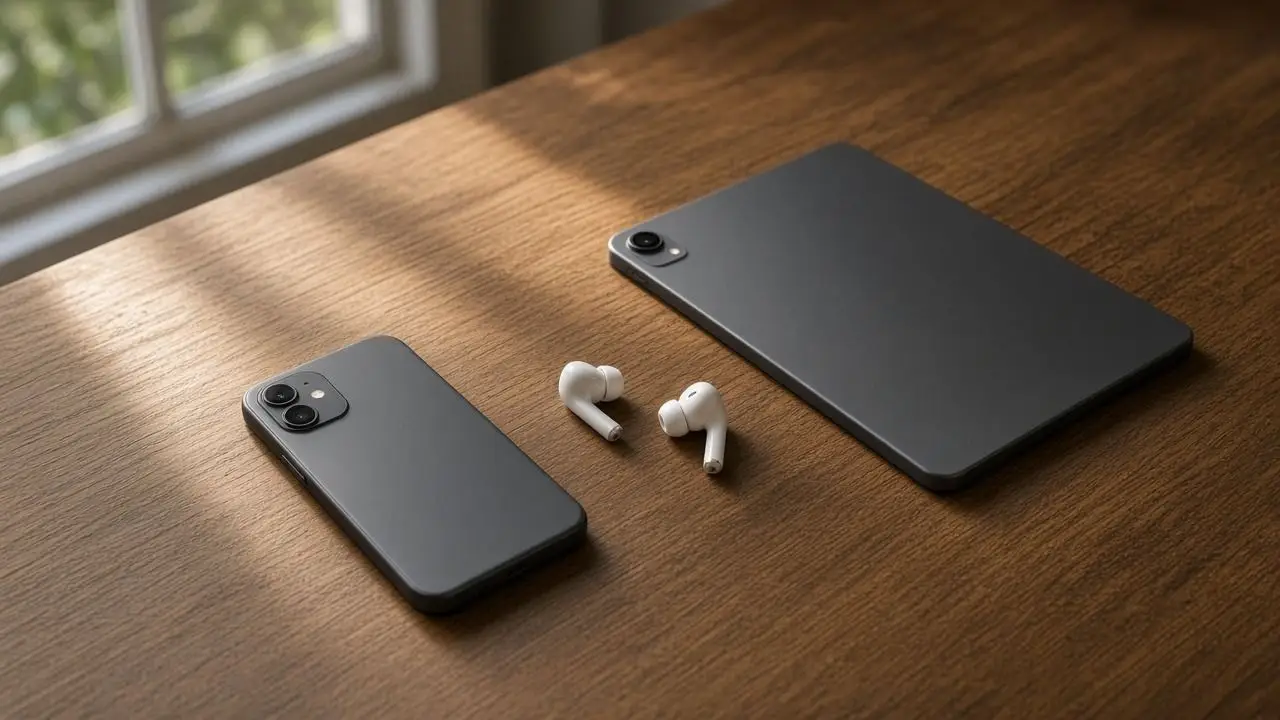
Apple says version 27.2 puts Siri AI in beta for French, Japanese, Korean, Portuguese, and Spanish, and still excludes the EU on iPhone, iPad, and Apple Watch.

Oracle unveiled a four-layer Deep Trust stack to stop AI agents seeing data they should not. Some tools are free or discounted until February 2027.
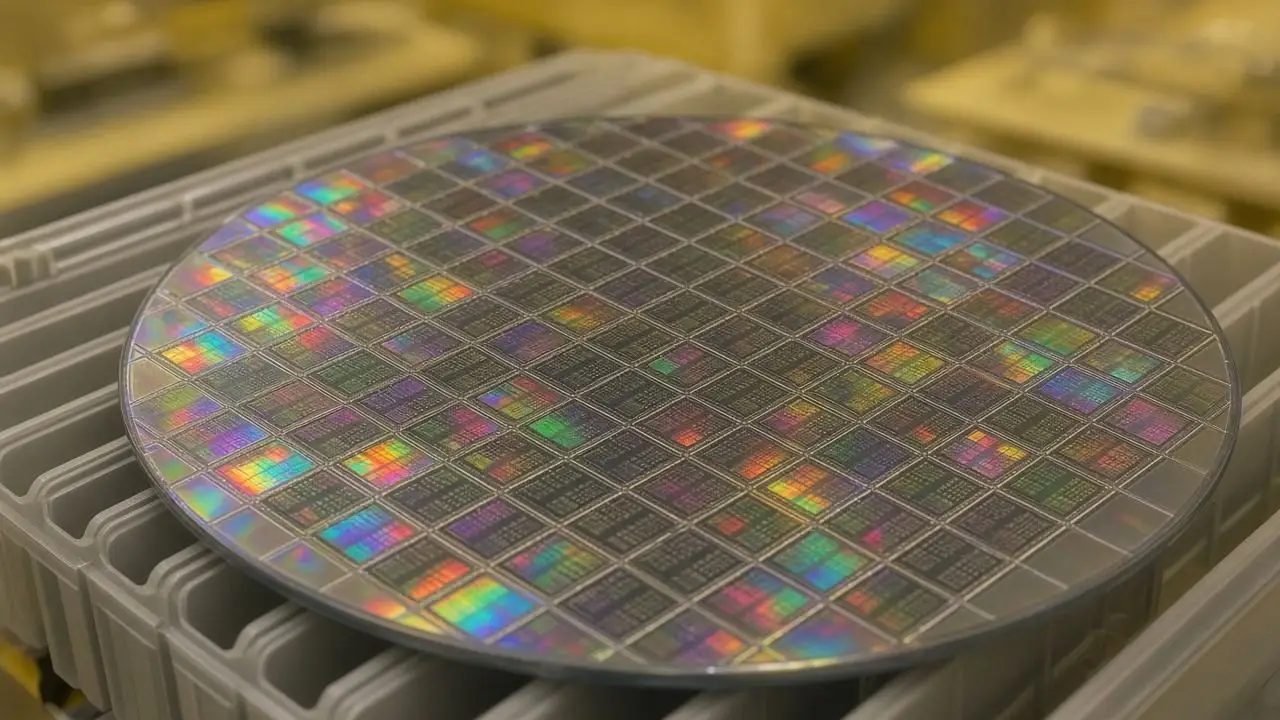
Cadence's Maestro models, built on Nvidia Nemotron, are for chip-design agents. Cadence claims up to 30% better results and up to 5x token efficiency.

Block says Dessa was trained only on human speech, with no text, and can run on a high-end laptop. TechCrunch reported the company’s page on October 24.

AWS said on October 22 that SageMaker AI training-session APIs are generally available in three regions for custom post-training, billed per token processed.

OpenAI’s Decisions API is generally available with GPT-6 Luna for fast, bounded choices. It is priced at $0.10 per million input tokens, with no output tokens.

Google Cloud says Agent Compute Engine will give agents hardware-isolated microVMs. The service is a preview planned for the coming months, not a launch today.

Anthropic is previewing Claude Duet for US Pro and Max subscribers. It sends a morning brief, keeps working, and asks before it sends, pays, signs, or deletes.